Give AI the context your product deserves.

StoriesOnBoard gives AI-supported product teams one shared context for users, decisions, plans, backlogs, and releases—so every agent contributes to coherent product development.

PMUXDEV

One product context for people
and every agent in the workflow.

THE PRODUCT CONTEXT LAYER FOR
Product teamsAI agentsCoding workflowsStakeholders

AI made execution faster.
It didn’t make direction clearer.

When agents work from isolated prompts and flat tickets, teams move quickly while losing sight of the user journey. We call that velocity blindness.

AI without product context

Fast output.
Fragmented product.

Generate login flowAdd preferencesCreate API endpointImprove onboardingHandle payment errorReset forgotten passwordsInvite teammatesCreate a workspaceChoose notification settingsRestore my last workspaceActivate a subscriptionDownload invoices

Every ticket can look reasonable while the product journey quietly breaks apart.
AI with StoriesOnBoard

Shared context.
Coherent decisions.

  • Understands the user journey
  • Connects related work
  • Knows what’s built and what’s next
Start using my workspace
Sign in
Set up my workspace
Set my preferences
Upgrade with confidence
Activate a team plan
Delivered · a working workspace
Generate login flow
Restore my last workspace
Improve onboarding
Create a workspace
Add preferences
Create API endpoint
Planned · paid teams
Reset forgotten passwords
Invite teammates
Choose notification settings
Activate a subscription
Handle payment error
Download invoices

Product context is the strategy.
AI makes it actionable.

StoriesOnBoard becomes the durable interface between human product thinking and agent execution. It stays visual for the team and structured for the tools.

Explore AI product context →
PRDResearchDecisions
✦StoriesOnBoardstructured product context
BacklogReleaseBuild plan

From the first uncertain idea to an implementation-ready plan.

Specialist AI skills move the product forward while the navigator keeps open questions and phase gates visible.

1 · runningDiscovery
2Journey
3Backlog
4Stories
5Release
fundamentals · users · uniqueness · journey sketch
QUESTIONS TO CONSIDER
?

What is the one thing this does meaningfully better than the alternatives?

blocking
?

Why would someone already using the strongest alternative switch?

blocking
?

What is the end-to-end journey, in 4–8 phases?

?

Who pays, and is the buyer the same person as the user?

Gate to the next phase

A brief covering all four sub-steps, each either answered or logged as an accepted risk.

Make product context part of your agent stack.

Give MCP-compatible agents structured read and write access to story maps. Analyze PRDs, audit backlog coverage, refine stories, and create product work in the right place.

Read hierarchyUnderstand personasCreate cardsUpdate detailsPlan releasesVerify changes
storiesonboard.mcpconnected

agent Analyze the PRD against our current MVP.

✦ Reading story map context…

TOOL CALLGetStoryMapCardsmap: ev-charging-app
release: MVP
include: personas, details

✓ Found 3 scope gaps and 2 stories that need refinement.

Explore maps, workflows, and product decisions.

Public story maps and end-to-end case studies show how uncertain input becomes a coherent backlog and implementation plan.

Explore resources

Built with StoriesOnBoard AI + MCP

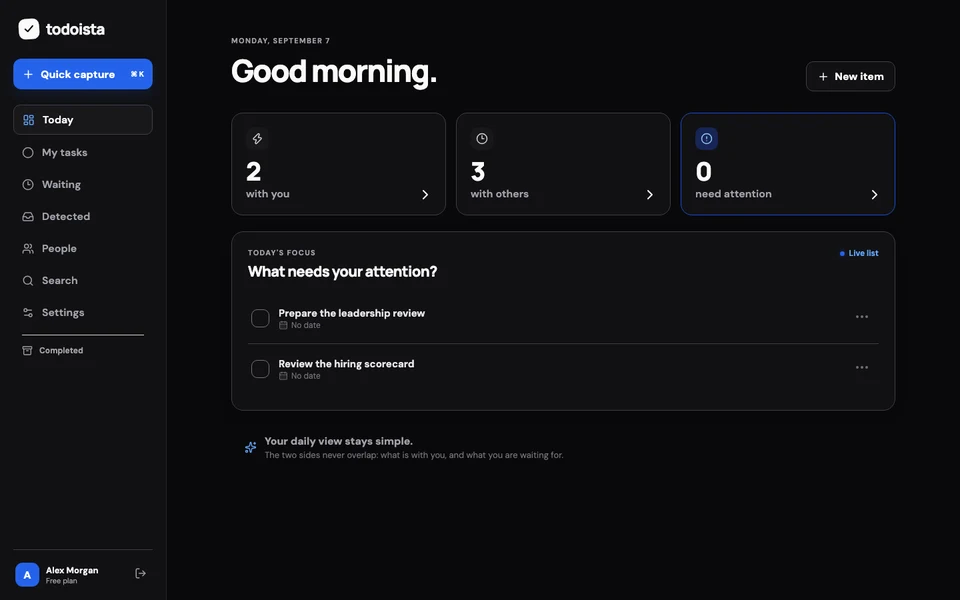
Todoista

Keep track of your tasks, delegated commitments, and the right moment to follow up.

Todoista daily dashboard showing tasks you own and commitments waiting with others.Explore Todoista

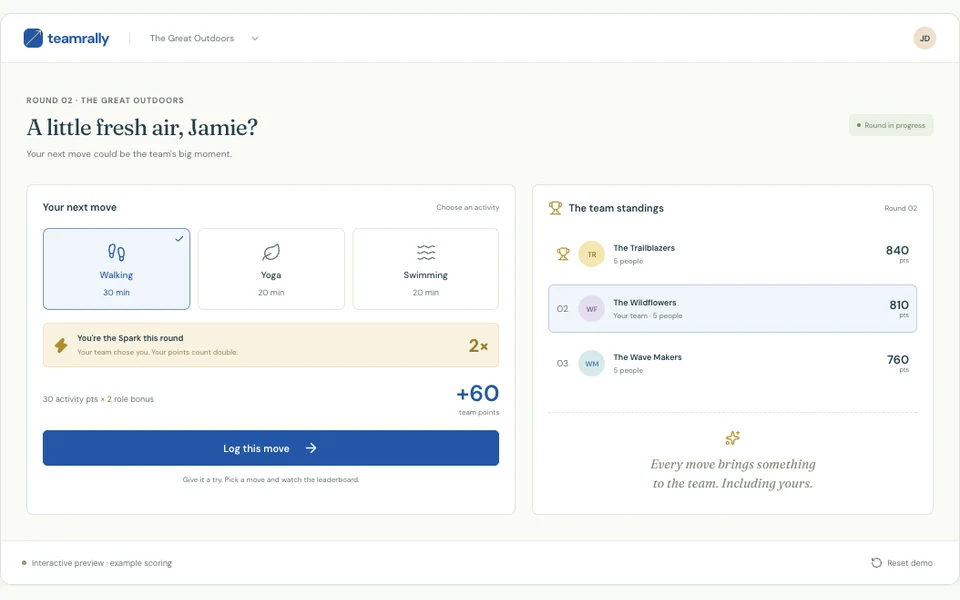
TeamRally

Explore an interactive preview of a team movement challenge, with activities, role bonuses, and shared scores.

TeamRally interactive preview with a walking activity, role bonus, and team standings using sample data.Explore TeamRally

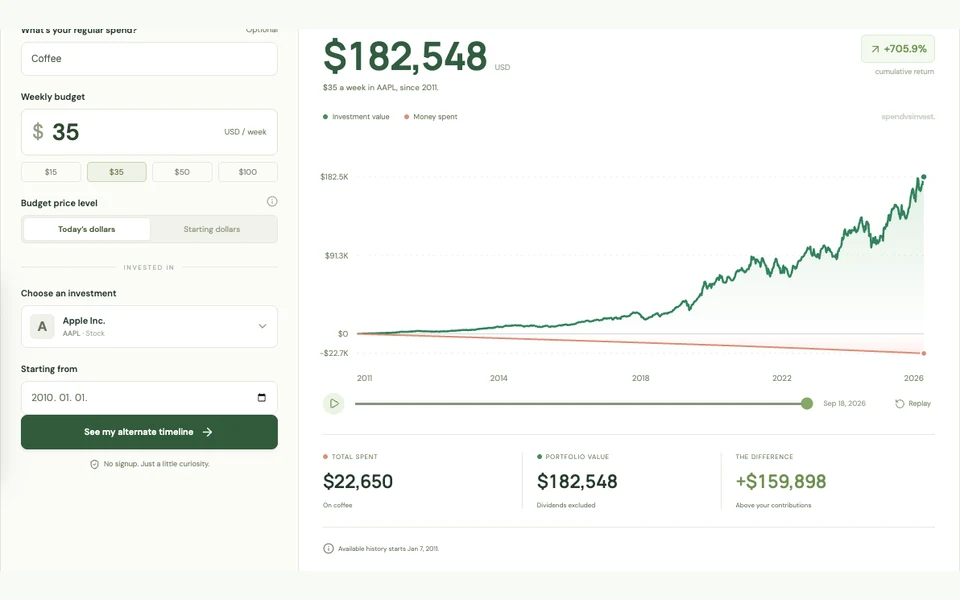
SpendVsInvest

Explore how everyday spending compares with a hypothetical investment using historical market data.

SpendVsInvest calculator comparing a weekly coffee budget with a historical investment timeline.Explore SpendVsInvest

Build the context before you build the product.

Start with a rough idea, a PRD, or an existing map. Turn it into a product plan people and agents can use together.

Start free